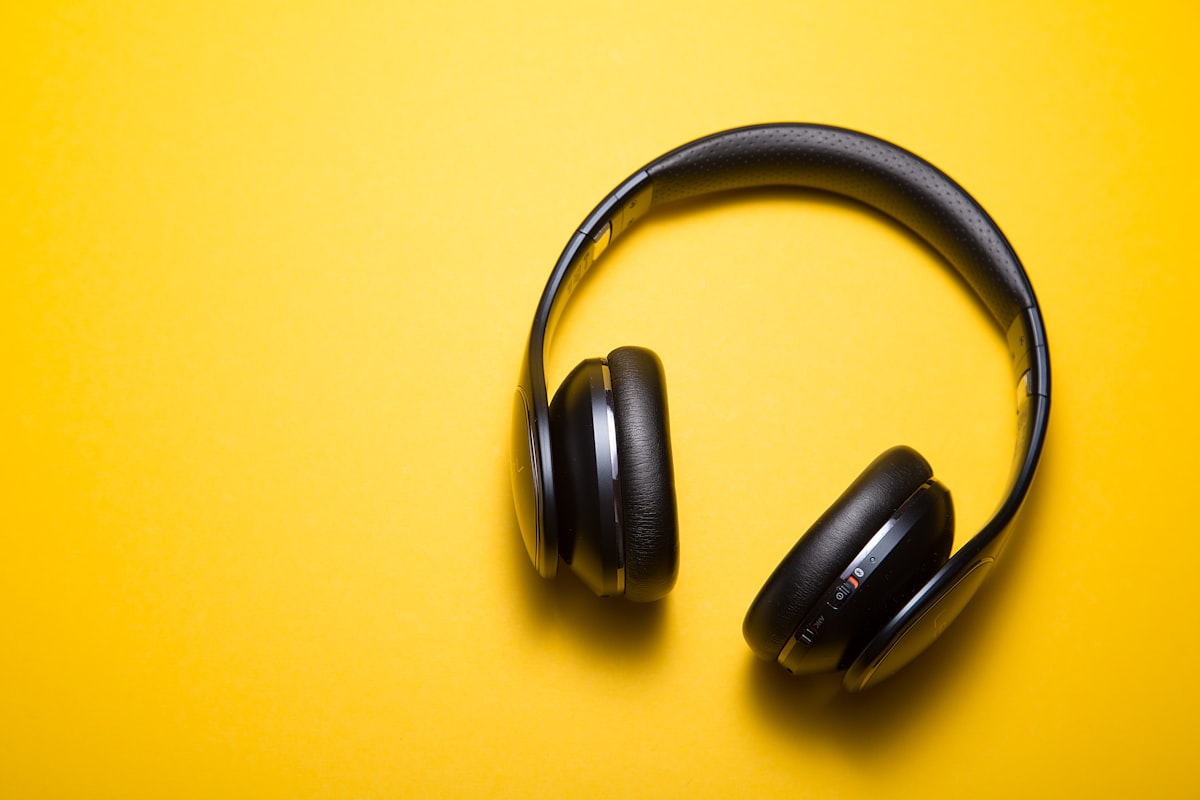
There is a pattern in inexpensive consumer audio that is worth knowing about before you buy. Budget headphones — particularly over-ear wireless models — rarely fail in the first few months. They fail somewhere between twelve and eighteen months in. The audio is fine, the fit is fine, and then one day something cracks, flakes, or stops working, and the thing is unrepairable in any practical sense.
This is not always bad luck. It is usually design.
The ear pad problem
The most common failure in budget wireless headphones is the ear pad material. Manufacturers use a synthetic leather — sometimes called PU leather or leatherette — that degrades under exposure to sweat, skin oils, and UV light. The degradation timeline depends on use frequency and environment, but for regular daily use, many materials start flaking within fourteen to twenty months.
This is particularly frustrating because it does not affect the function of the headphones until the flaking becomes bad enough to be unwearable. The audio is still good. The connection still works. But the ear pads are leaving small black fragments on your ears.
The question worth asking before purchasing: are replacement ear pads available for this model, and what do they cost? For some products, third-party replacement pads exist and cost very little. For others, the ear pads are proprietary and unavailable, which means the headphones are disposable.
Hinge and fold points
Foldable headphones have hinges, and hinges are stress points. On budget devices, the plastic around these hinges is often thin — thin enough to crack under repeated folding, particularly in cold temperatures where plastic becomes more brittle.
You can sometimes get a sense of hinge quality from photographs by looking at the thickness of the plastic at the fold point and whether there is any metal reinforcement visible. This is not foolproof, but hinges that look thin in promotional images usually are thin.
Battery degradation in wireless models
Lithium-ion batteries lose capacity over time. This is not specific to budget audio, but it is more consequential in budget audio because cheaper devices tend to use smaller batteries to start with. A device that ships with 20 hours of claimed battery life and uses a small cell might be at 12 hours of actual life after a year of regular charging cycles.
Most budget wireless headphones have non-replaceable batteries. When the battery capacity drops to the point where the device is not useful, the device is done. Some manufacturers offer a battery replacement service, but this is uncommon at lower price points.
This is not a reason to avoid wireless headphones. It is a reason to factor in the likely lifespan when comparing prices. A cheaper device that lasts two years is not cheaper than a mid-range device that lasts five years if the mid-range device costs less than two and a half times as much.
Codec support and latency
The audio codec a wireless headphone uses affects sound quality and latency. The baseline is SBC, which all Bluetooth headphones support. aptX and AAC transmit audio at higher quality with less compression, and many streaming services benefit from this if your source device supports it.
For watching video, latency matters: SBC has higher latency than aptX Low Latency, which means the audio can fall out of sync with the picture noticeably. Budget headphones frequently support only SBC.
Whether this matters depends on your use case. For commute listening to music, it is irrelevant. For watching films at a desk without another audio source, it can be annoying enough to notice.
What to look for
Before buying: search the model name with "ear pad replacement." If results appear with affordable third-party options, the ear pad problem is less serious. If nothing comes up, assume the ear pads are not replaceable.
Look at photographs of the hinge mechanism. If you are buying in a shop, flex the ear cup toward the hinge gently and feel for resistance and rigidity.
Check the battery capacity in mAh if it is listed, not just the claimed hours. A device claiming 30 hours from a 400mAh battery should prompt scepticism about the test conditions used.
If you plan to use the headphones primarily for video, verify the supported codecs and check whether your source device supports them. For music listening, this matters less.